top of page

Discover Inspiring Stories


WILL IT LIVE ON Growing Up In A Small Town Jewish Community
A story of uncertainty and hope. Jonathan Levin, an immigrant to Israel looks back on his hometown synagogue and wonders if it has a future. Shot in Michigan and Haifa, the film poses essential questions of survival, a concern common to small-town Jewish communities.


Can We All Get Along? The Segregation of John Muir High School
At his 30th high school reunion filmmaker Pablo Miralles questions what has happened to his once integrated public high school in Pasadena, CA. Interviewing past and present teachers and students, Miralles begins to understand how perceptions and policies have created almost insurmountable challenges to maintaining well-funded and diverse public schools. (The school is known for having famous alum such as Jackie Robinson, David Lee Roth, Octavia Butler and Rodney King.)


JUST LIKE ME: The Vietnam War/The American War
JUST LIKE ME follows Vietnam veteran Ron Osgood’s quest to document stories from all sides of the war, uncovering untold personal accounts that shy away from combat and politics and instead focus on topics such as soldiers who were artists, musicians, or demonstrated empathy and respect towards the enemy.


The Price of Silence: The Lasting Impact of Slavery in New Jersey
The filmmakers explore the Lost Souls Project, which is working to remember and identify African Americans who were forcibly removed from New Jersey and taken to Louisiana and explores the lasting impact of slavery in the state. We also interview singer Danielle Cotton, who discusses her journey as an African American entertainer.


A Taste of History
Chef Walter Staib travels the globe, to historical locations, into famous kitchens and exotic markets to bring you 'A Taste of History.' This cooking television series explores, educates, and brings America's culinary heritage to life through the recreation of elegant dishes. Chef Staib also explores the disparate cultural elements of the world that mix together and make the unique and unknown stories behind humanity's diverse and spectacular food culture.


The Pack Horse Librarians of Appalachia
This documentary tells the story of pack horse librarians – women hired by Franklin Roosevelt's Works Progress Administration (WPA) during the Great Depression to travel on horseback to deliver library books and magazines to people in Eastern Kentucky, braving creeks, mountains and inclement weather along the way. This program was funded in part by a grant from the Carolyn Tassie Memorial Fund.


Juneteenth Jamboree: From a Free Place to Displace
With the Galveston landing of U.S. Army Gen. Gordon Granger in 1865, slavery in Texas ended. African bondsmen became freedmen, and women and children likewise became African Americans. Many left the plantations to join freedom colonies; others sought out opportunities in cities and towns. Today, the consequences of gentrification and rising property values challenge new generations.


Life in the Logwoods: The East Timber Legacy
Life in the Logwoods: the East Texas Timber Legacy interweaves the rugged history of this region with profiles of modern loggers, sawmill operators, tree farmers and migrant workers—all the people who do the demanding and dangerous work of bringing wood to market.


Our American Family: The Kurowskis
Our American Family: The Kurowskis presents the story of a woman born and raised on the Oneida Reservation in Wisconsin married to the son of Polish immigrants. At the time, Native Americans had been pressured to forsake their heritage and assimilate into the culture of their white neighbors. Following a tragedy at a paper mill, the Kurowski family moves to the center of the reservation where their selflessness strengthens the community and prepares the next generation to sup


1955: Seven Days of Fall
1955, Seven Days of Fall is about the 1955 Brooklyn Dodger/New York Yankee World Series, based upon the poem entitled "1955" by James T. Crawford and produced and directed by Rory Fielding. In unprecedented style, the program uniquely blends the traditional documentary elements of archival film footage, still images, narration, period music and player and fan interviews with a recital of the poem to recount this timeless story seven decades later.


Speak My Name and I Shall Live Again
Many cultures believe people have three deaths. When they pass away, when they are buried and when their name is spoken for the last time. Watch as lost ancestors are found and the forgotten are remembered. Sacramento resident, Sharon Styles, explores the history of her family and a once-forgotten, cemetery near a small Texas town. Experience Sharon’s emotional journey to find her roots and seek answers about her family’s place in American history.

Mission Dolores 250 | Connect the Bay
Andrew Galvan is the curator of Mission Dolores in San Francisco, and as an Ohlone Indian himself has been working for decades to raise awareness of the integral role of native Californians in the development of the mission system. “Come to California, and you’ve got Indians all over the place today!” he says. “Indians whose ancestors were here 250 years ago!”

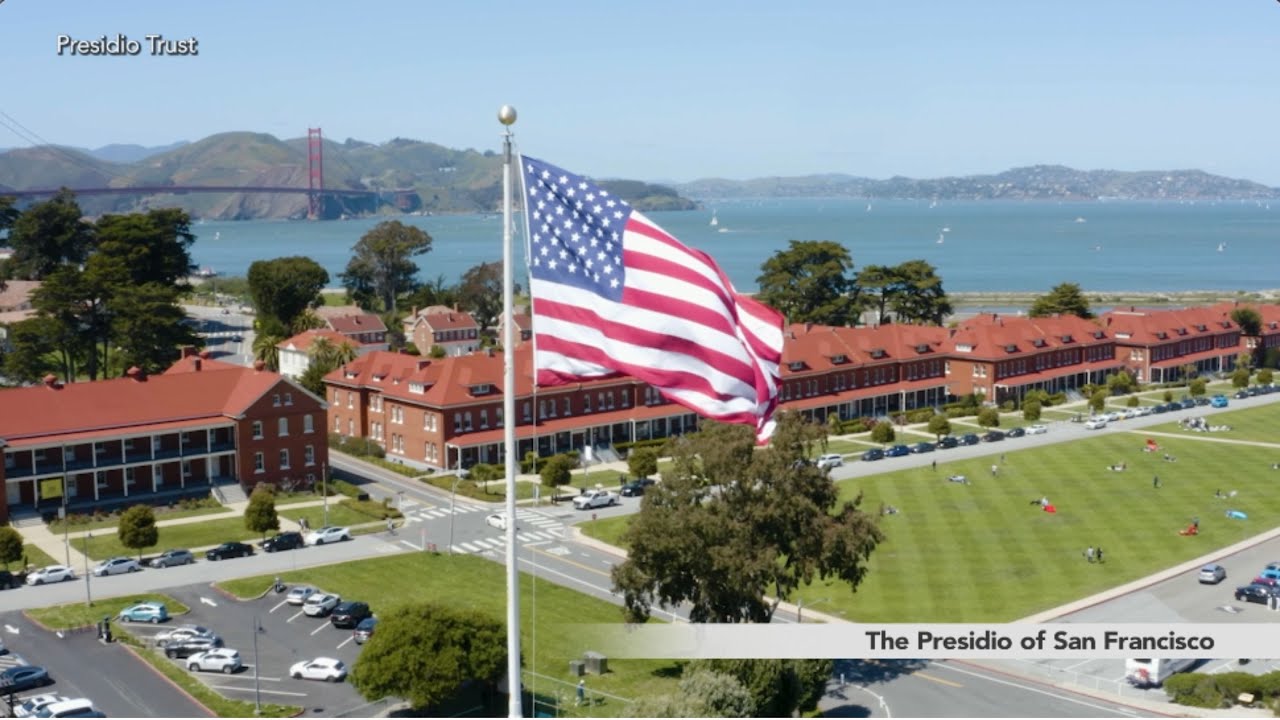
San Francisco Presidio | Connect the Bay
Older than you think! The founding of the San Francisco Presidio in summer of 1776 – and of the City itself – took place within weeks of the signing of the Declaration of Independence in Philadelphia, July 4, 1776. The folks at the Presidio Archaeology Lab have been working to uncover, preserve and educate the public about the important and fascinating history of this military fort that has operated under the three flags of Spain, Mexico and the United States for 250 years.


Meet Mary Pleasant
Meet Mary Pleasant is the daring saga of a 19th-century African-American woman, born a slave and raised in Nantucket, who became an international abolitionist, a prosperous entrepreneur, and a civil-rights activist whose work helped alter modern-day civil-rights law.


Storm of the Century: The Blizzard of '49
This one-hour documentary tells the story of the worst series of storms in Wyoming’s history. But for all the tragedy and loss, suffering and death, there was also hope and heroism, unselfish sacrifice and generosity. The blizzard brought out the best in people. Wyoming citizens from all walks of life worked together and demonstrated exceptional ingenuity in the face of dire circumstances.


Boom and Bust: America’s Journey on the Erie Canal
American industrial workers in steel, grain, textiles, and shipping tell their stories of labor and life along the Erie Canal. These are the men and women who built American economic prosperity on the Canal for 150 years, and bore the brunt of its decline in the final decades of the 20th century.


Dick Cheney: A Heartbeat Away
The story of Dick Cheney, the man historians have dubbed the most powerful vice president in U.S. history. Hear his story recounted in his own words, from his modest upbringing in Casper, to his lifelong high-risk heart problems, his assessment of the world leaders he dealt with, the attack on Sept. 11, 2001.


Our American Family: The Clarks
For generations, the Clark family of Frankford, DE has shown tremendous support of one another as members faced hard times with tender loyalty. Our American Family: The Clarks traces the lives of this African-American family with seven children as they employed humor, resourcefulness and respect for all through the Depression, WWII, and racial tension.


Thomas Paine's To Begin the World Over Again
Triumphs and tragedies of Thomas Paine’s life unfold in To Begin the World Over Again, a one-man play filmed live in Hollywood. Paine, provocative writer and flawed politician, ignited revolutions yet died ignored. His radical ideas on democracy, equality, and morality still challenge us: “We have it in our power to begin the world over again.”


Our American Family: The Barrerases
OUR AMERICAN FAMILY: THE BARRERAS From the darkness of a coal mine in New Mexico to vibrant beauty under the California sun, Our American Family: The Barreras Family provides a compelling narrative of unwavering commitment to family. Life in the remote company-owned town of Madrid in the 1920s was a mixture of hard, dangerous work offset by the joy of baseball and celebrations. With the closing of the mine in the early '40s, the extended family re-established itself in southe
bottom of page